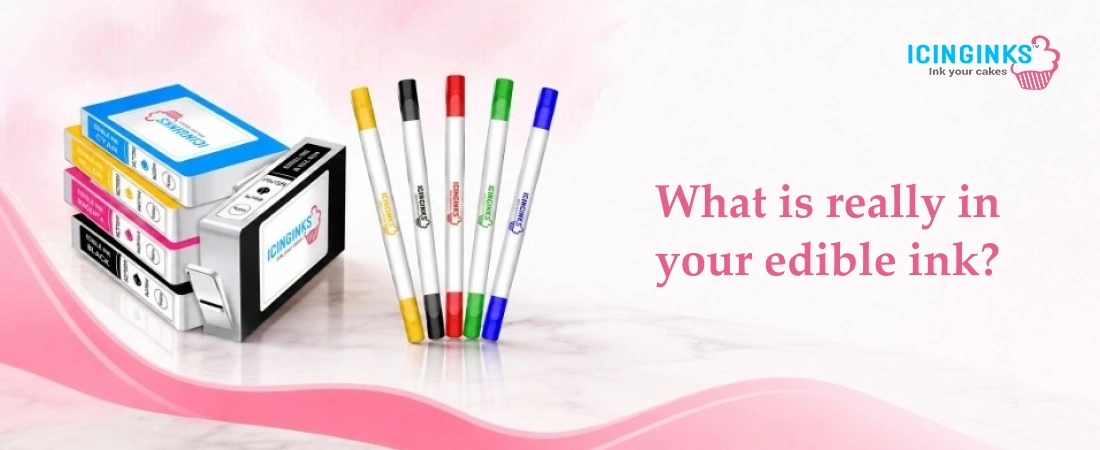
Bakers spend considerable time perfecting their craft. The piping, the fondant work, the color matching, the finishing details. But one area that does not always receive the same careful attention is the ink printed on the food itself. For anyone using an edible ink printer to decorate cakes, cookies, and frosting sheets, understanding what makes an edible ink genuinely food-safe is not just useful knowledge. It is responsible baking.
We are breaking down what food-grade edible ink really means, which safety standards actually matter, and exactly what to look for before you buy.
What does food-grade edible ink actually mean?
The term food-grade refers to a standard of formulation and manufacturing that makes a product safe for contact with food intended for human consumption. A food-grade edible ink is one made with ingredients approved for food use, produced in a controlled manufacturing environment, and free of compounds that would be harmful if consumed.
This is an important distinction because not every product labeled as edible is held to the same standard. The word 'edible' on packaging is not, in itself, a regulated or verified claim. What separates a genuinely food-safe ink from a vaguely labeled one is the quality of its ingredients, the conditions in which it was manufactured, and the transparency with which the brand communicates that information.
When researching edible ink for your printer, look beyond the label and ask about the formulation and manufacturing standards behind the product.
What goes into a food-grade edible ink?
Understanding what is inside the ink helps bakers make informed purchasing decisions. A properly formulated food-grade edible ink typically consists of food-approved colorants, a water-based carrier that allows the ink to flow through the printhead, food-grade humectants that maintain ink consistency, and approved preservatives that keep the formulation stable throughout its shelf life.
The colorants used in quality edible inks are food-approved dyes and pigments, the same category of colorants used in the broader food and confectionery industry. Premium manufacturers are increasingly using naturally derived colorants sourced from fruits, vegetables, and plants, in line with the growing demand for clean-label ingredients across the food industry.
What should not be present in any food-grade edible ink are petroleum-based compounds, industrial solvents, heavy metals, or any ingredient class associated with standard office printer cartridges. If a brand's ingredient information is not readily available or transparent, that alone is worth paying attention to.
Safety certifications: what bakers should look for
While this blog does not make specific certification claims on behalf of any brand, it is worth understanding what the key safety certifications in the edible ink industry represent, so bakers can ask the right questions when evaluating products.
Manufacturing standards are a foundational indicator of quality. Reputable edible ink brands manufacture their products in facilities that follow recognized food-grade manufacturing practices. This means controlled production environments, quality testing at multiple stages, and documented processes that ensure consistency across batches.
Dietary certifications, such as Kosher, are relevant to professional bakers serving clients with specific dietary requirements. Icinginks holds Kosher certification, meaning bakers can confidently use their products for orders where Kosher compliance is a client requirement. For any other dietary certifications, always ask suppliers directly for current, verifiable documentation from a named certifying body.
Allergen information is an area where bakers should always request documentation directly from the manufacturer rather than relying solely on blog content or product descriptions. If you are serving clients with known allergies, ask the brand for its current allergen information sheet and verify it independently.
Country of manufacture matters because edible ink produced in the USA is subject to federal food safety oversight. Understanding where a product is made and under what regulatory environment it is produced gives bakers a clearer picture of the quality standards that underpin it.
Safe practices for edible ink printer owners
Choosing quality ink is only part of the equation for food-safe edible printing. How the printer is set up and maintained matters just as much.
The most important rule in edible printing is that the printer must be dedicated exclusively to edible use. A printer that has previously been used with regular ink retains residues from those inks in its internal components, including the printhead and ink lines. These residues cannot be fully eliminated through cleaning alone, and they pose a genuine contamination risk for food that will be consumed. Always begin with a brand-new printer designated solely for edible printing.
Edible ink has a shelf life. Using ink past its expiry date can affect print quality and raise questions about the integrity of the formulation. Store cartridges according to the manufacturer's instructions, keep them away from direct sunlight and extreme temperatures, and replace them within the recommended period.
Regular printer maintenance using a food-safe cleaning solution designed specifically for edible ink printers is also important. General printer cleaning products are not appropriate for edible printing setups and should never be used in place of a food-safe alternative.
How to evaluate whether an edible ink brand is genuinely food-safe
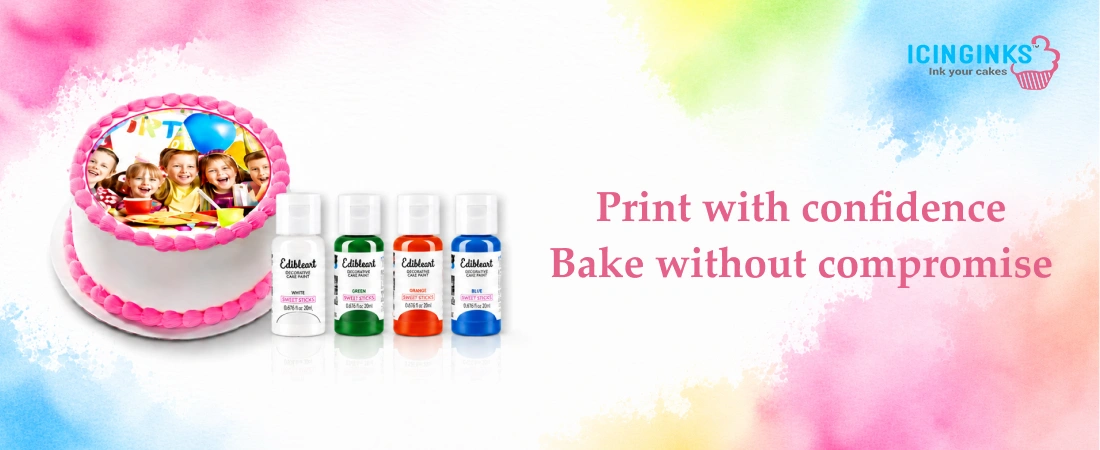
Before purchasing food-grade edible ink, bakers are well served by doing a bit of due diligence. Ask the brand for a product information sheet that lists the ingredients and their food-safe status. Check whether the brand can name a specific certifying body for any certifications they claim, rather than offering only general statements. Look for transparency about where the product is manufactured and under what standards.
Brands that are confident in their safety credentials will have no difficulty providing this information. Those who cannot or will not answer specific questions about their formulation and manufacturing are telling you something important.
Why bakers across the USA choose Icinginks
Icinginks is not just another edible ink brand. It is the most trusted name in edible printing supplies in the United States, and for good reason. Here is what sets us apart:
-
Food-grade formulations across every product, from edible ink cartridges and refill inks to frosting sheets, wafer papers, and edible paints
-
Kosher-certified edible ink, giving professional bakers documented proof of quality for client orders that require it
-
Compatible with leading Epson and Canon printer models, so switching to Icinginks requires no complicated setup
-
Food-safe cleaning solutions specifically formulated for edible ink printers, keeping your setup safe and your prints uncontaminated
-
Free shipping across the USA on the full range of edible printing supplies
-
Trusted by home bakers and professional cake artists alike, from single-tier birthday cakes to full custom order schedules
Your clients trust you with their most important celebrations. Make sure the ink behind every print is worthy of that trust. Visit Icinginks and shop the complete range of edible printing supplies today.
FAQs
1. Is Edible Ink Safe to Eat?
Yes. Icinginks edible ink is formulated using food-approved ingredients that are safe for consumption. It contains no toxic compounds or industrial chemicals found in regular printer ink, making it completely safe for decorating food.
2. What is the difference between edible ink and regular printer ink?
Regular printer ink is formulated for paper and contains industrial compounds that are not safe for consumption. Food-grade edible ink is formulated using food-approved colorants and carriers specifically intended for printing on edible surfaces. The two should never be used in the same printer.
3. Why does my edible ink printer need to be brand new?
A printer previously used with regular ink retains residues in its internal components that cannot be fully removed. These residues can contaminate edible prints. A brand-new printer set up exclusively for edible printing from the start is the only way to ensure there is no cross-contamination risk.
4. How long does edible ink last, and is expired ink safe to use?
Icinginks edible ink cartridges and refills have a shelf life of 24 months. Using expired ink is not recommended as it can affect print quality and color consistency. Always check the expiry date before printing and replace when needed for the best results.
5. Why Do I Need a Dedicated Printer for Edible Ink?
A printer previously used with regular ink retains toxic residues in its internal components that cannot be fully removed. These residues can contaminate edible prints. A brand-new printer dedicated exclusively to edible printing is the only food-safe option.
Similar Post:
How to Get the Best Print Quality with Edible Ink: A Complete Guide for Bakers
Elevate Your Treats: Creative Edible Ink Hacks for Cookies, Candies & Beyond!
How to Use Edible Ink to Print Pictures on Cake or Food
Edible Ink Safety: What You Need to Know Before Decorating
Edible Ink Quality Variance: Why Some Prints Fade and How to Prevent It